The Beautiful Madness of Caring More Than Expected
june, 2026By Chef Fernando Stovell
There are certain books that do not simply stay on a shelf after being read. They remain with you. They follow you into meetings. They appear in the silence before service. They whisper when a glass is polished, when a chair is pulled, when a guest enters the room, and when a team member forgets that the smallest detail is never truly small.
This month, I find myself reflecting on one of those books: Unreasonable Hospitality by Will Guidara. It is a book that my business partner Samuel and I have both read, discussed, admired, and, most importantly, felt. Not as another fashionable hospitality title, but as something that speaks directly to the heart of what we are trying to build.
A restaurant is never only about food.
Food is the language. Hospitality is the soul.
1. Beyond the Plate
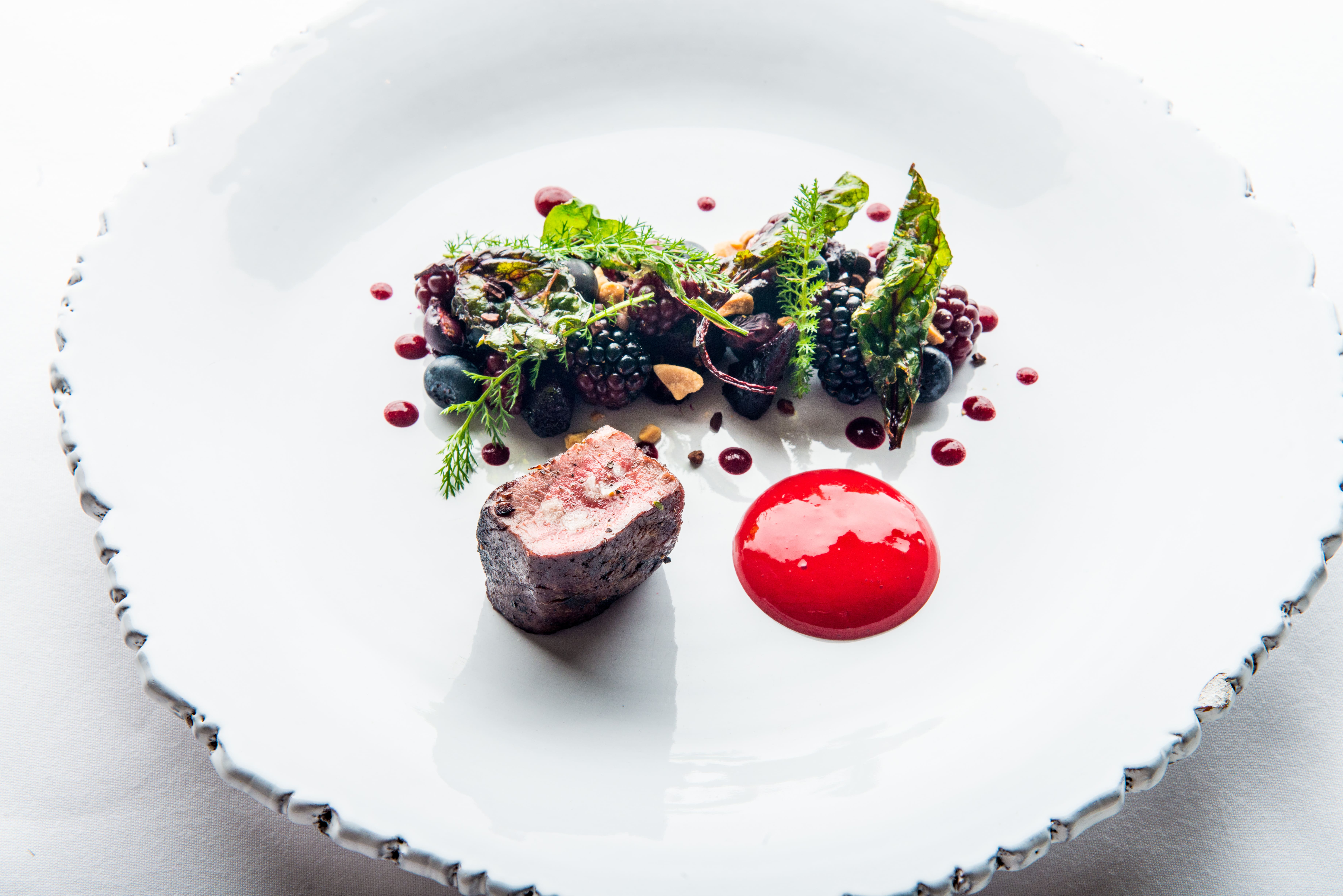
A beautiful dish may impress a guest for a moment, but true hospitality can stay with them for years. A sauce may be perfect, a fish may be cooked over the right wood, a piece of meat may rest exactly as it should — and all of this matters. Excellence matters. Discipline matters. Technique matters. But if the guest does not feel seen, welcomed, remembered, or emotionally touched, then something sacred has been missed.
It reminds us that generosity is not weakness. That attention is not decoration. That care is not an accessory to service, but the very foundation of it.
Guidara's message is powerful because it liberates hospitality from the dining room. Hospitality is not limited to restaurants, hotels, bars, or private clubs. It exists in every moment where one human being has the chance to make another human being feel valued.
2. Masters of the Art
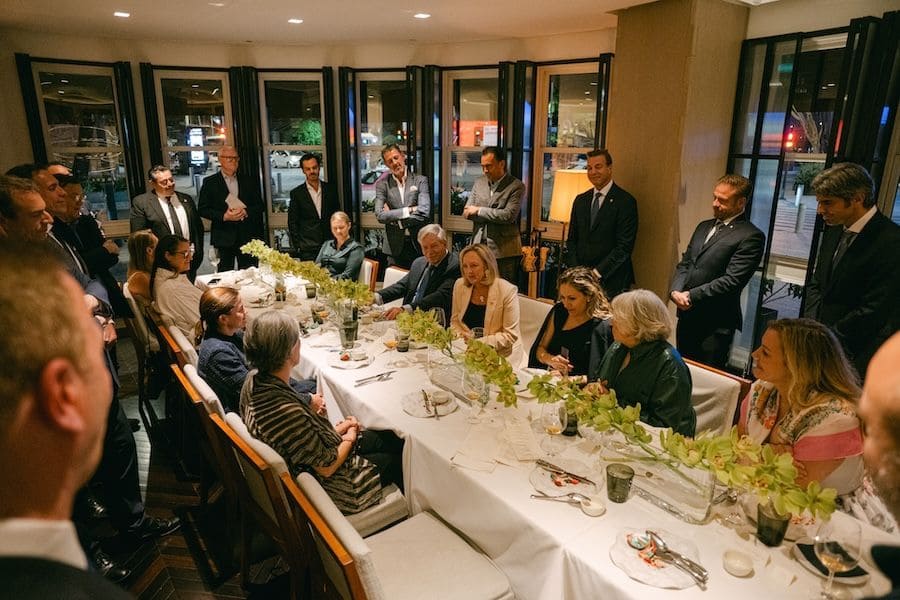
This is something I understood many years ago through my former boss, Jake Panayotou, at the Wellington Club. Jake was, and remains in my memory, a true ambassador of this principle. His gift was not only in running a room or creating an atmosphere; it was in understanding people. He had that rare ability to make every person feel seen, important, and genuinely valued. That, I believe, was one of the great secrets of his success.
He understood that hospitality is not a script. It is not merely a smile at the door, a perfectly poured drink, or a well-timed table. It is the art of making people feel that, in that particular moment, they matter. And when people feel they matter, they remember.
This same truth is something I feel profoundly blessed to share now with Samuel. To build a project alongside someone with his years of knowledge, discipline, instinct, and excellence is not simply a business opportunity; it is a privilege. Samuel brings wisdom, patience, and refined judgement. He understands that a restaurant is not created by ambition alone. It is created by consistency, culture, and the courage to care deeply.
For Samuel and me, this book has become more than a beautiful idea. It has become a challenge.
How do we build a business where hospitality is not something we perform, but something we believe? How do we create a restaurant where every member of the team understands that the guest is not an interruption to the work — the guest is the reason for the work? How do we make every person who enters our world feel that they have not merely booked a table, but been invited into something meaningful?
3. Where Reason Ends
In most businesses, to be reasonable is considered sensible. But hospitality, at its most memorable, often begins where reason ends.
It is the little act that was not required. The gesture nobody asked for. The detail that could have been ignored. The note remembered from a previous visit. The dish adjusted not because the system demanded it, but because someone listened. The birthday acknowledged with sincerity rather than routine. The guest who feels, for one brief evening, that the world has paused to recognise them.
That is not merely service. That is hospitality.
Service is what we do. Hospitality is how we make people feel. Service may be correct, efficient, polished, and technically impressive. Hospitality is warmer, deeper, and more human. Service can be trained. Hospitality must be cultivated.
A restaurant can teach someone how to carry plates, open wine, explain a dish, set a table, clear crumbs, and fold a napkin. But the greater task is teaching them to care. To care when tired. To care when busy. To care when the guest does not notice. To care when nobody is watching. To care because that is the standard, not because applause is guaranteed.

4. Every Detail Is an Ingredient
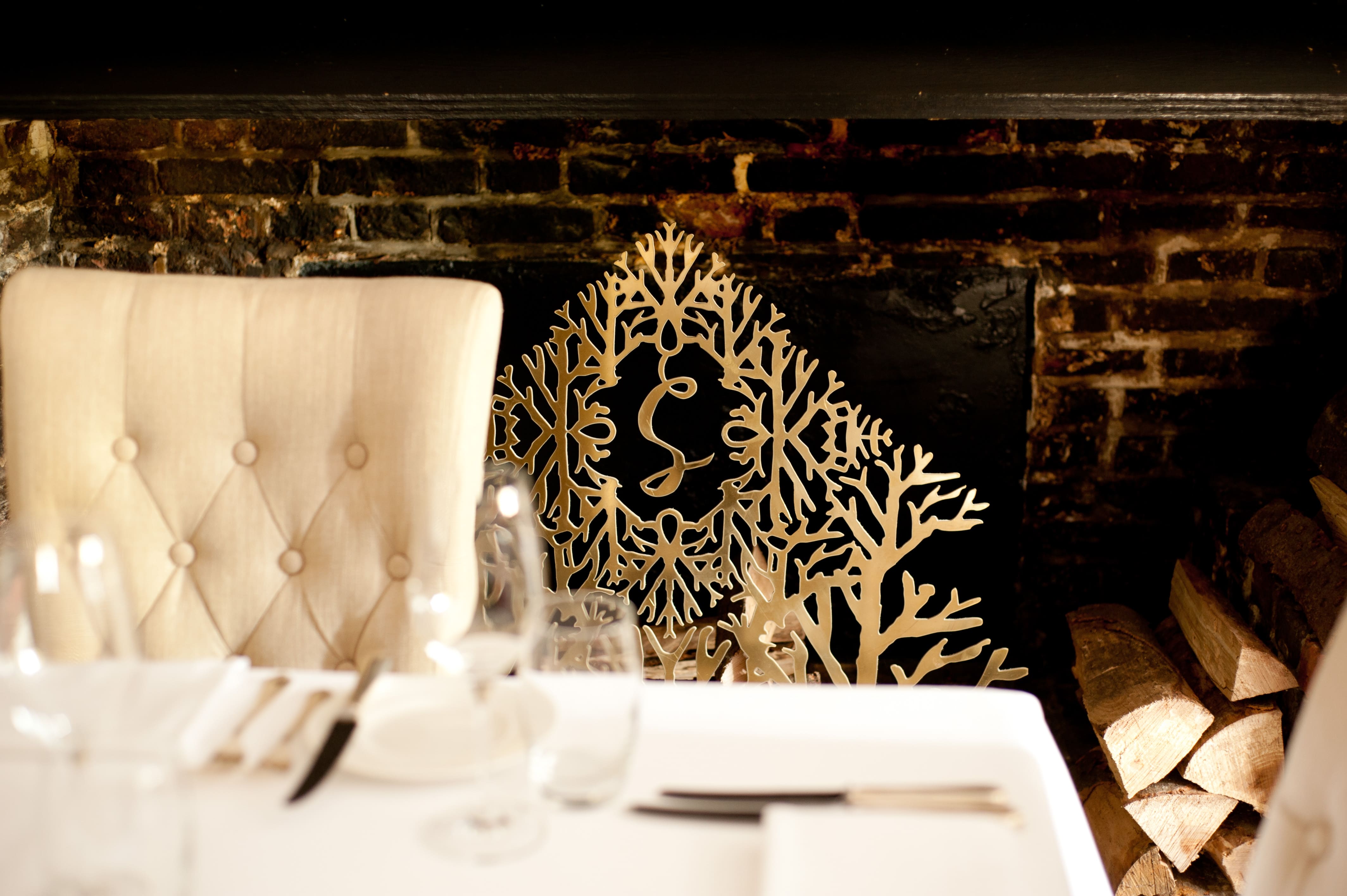
Many guests may not notice every single detail, but together those details become powerful. A guest may not notice the exact temperature of the room, the angle of the cutlery, the fragrance of the wood smoke, the way the light touches the table, or the tone in which someone says good evening.
But they feel it. They feel the sum of everything. Great hospitality is often invisible in individual pieces, but unforgettable as a whole.
It is like seasoning. A guest may not know exactly why something tastes balanced, but they know when it does. The dining room is the same. Every detail is an ingredient. The welcome is an ingredient. The lighting is an ingredient. The pace is an ingredient. The confidence of the team is an ingredient. The warmth of the farewell is an ingredient. Even silence, when used properly, is an ingredient.
This is why I believe hospitality is one of the most sophisticated arts in the world. It requires precision, but also intuition. It requires structure, but also emotion. It requires standards, but also improvisation. It requires the discipline of a soldier and the sensitivity of a poet.
For me, as a chef, this has always been connected to the kitchen. I have spent my life around fire, wood, ingredients, memory, discipline, and pressure. Cooking, at its highest level, is an act of generosity. But hospitality takes that generosity beyond the plate. A dish may say: I cooked for you. Hospitality says: I thought about you.

5. A Place With Soul
Restaurants are not factories. They are emotional spaces. They are where people fall in love, apologise, celebrate, grieve, negotiate, remember, and begin again. They are where someone brings their mother for what might be her last great meal. Where a young chef sees excellence and decides to dedicate his life to the craft. Where a waiter can change the mood of a guest who arrived carrying the weight of the world.
This is why hospitality matters. It is not soft. It is not naïve. It is not decorative. It is one of the most powerful forces in business, because people may forget the exact dish, but they rarely forget how a place made them feel.
Together, we are not simply trying to build a successful restaurant. We are trying to build a place with soul. A place that reflects discipline, but not coldness. Ambition, but not arrogance. Luxury, but not distance. Excellence, but never intimidation.
True luxury is thoughtfulness. True luxury is remembering. True luxury is making someone feel at ease. True luxury is the absence of friction. True luxury is when care feels effortless, even though behind the scenes it required extraordinary effort.
To have known Jake in my earlier journey, and to now build with Samuel in this chapter, feels like a continuation of the same lesson: hospitality, at its purest, is the art of making people feel they matter.
The future of restaurants will not belong only to those who cook well.
It will belong to those who care deeply. To those who understand that the guest is not simply buying dinner; they are giving us their time, their trust, their emotion, and sometimes their most precious memories.
That deserves the beautiful madness of unreasonable hospitality.

"They cared." — Those two words may be the greatest compliment any restaurant can receive. Because care is the invisible ingredient that changes everything.
Stovell's. Mexico City. Opening soon. Watch this space.