The Chef Who Thinks Before He Cooks
august, 2026By Chef Fernando Stovell
August is a month of heat. Not only the heat of the sun, but the heat of the kitchen. The heat of a stove that does not forgive distraction. The heat of service. The heat of expectation. The heat of ambition. The heat of trying to transform something simple — a fish, a root, a grain, a sauce, a piece of meat, a flame — into something that feels inevitable.
There is a beautiful romance in cooking. We speak of instinct, passion, memory, fire, hands, hunger, emotion and soul. And all of that is true.
But it is not the whole truth.
Because great cooking is not only feeling.
Great cooking is thinking.
1. The Mind Behind the Hands
A chef may cook with his hands, but the true act begins elsewhere. It begins in the mind. In the questions asked before the knife touches the board. Why does this ingredient behave this way? Why does this sauce split? Why does smoke flatter one fish and overwhelm another? Why does acidity make something feel alive? Why does salt reveal sweetness? Why does one dish feel balanced and another feel confused?
Years ago, I wrote a reflection called The Palate Is in the Brain. I still believe that deeply. Taste is not simply a matter of the tongue. It is memory, emotion, culture, expectation, biology, experience and imagination. A guest does not taste only what is on the plate. They taste where they have been. They taste what they have loved. They taste what they understand, what they remember, and sometimes what they are ready to discover.
If the palate is in the brain, then the chef must learn to think. This is why Harold McGee has meant so much to generations of chefs. His work opened a door between the kitchen and science. He helped many of us understand that cooking is not made less magical by being understood. The more we understand heat, water, protein, starch, fat, fermentation, aroma, texture and transformation, the more profound the magic becomes.
Science does not kill poetry.
Science gives poetry structure.
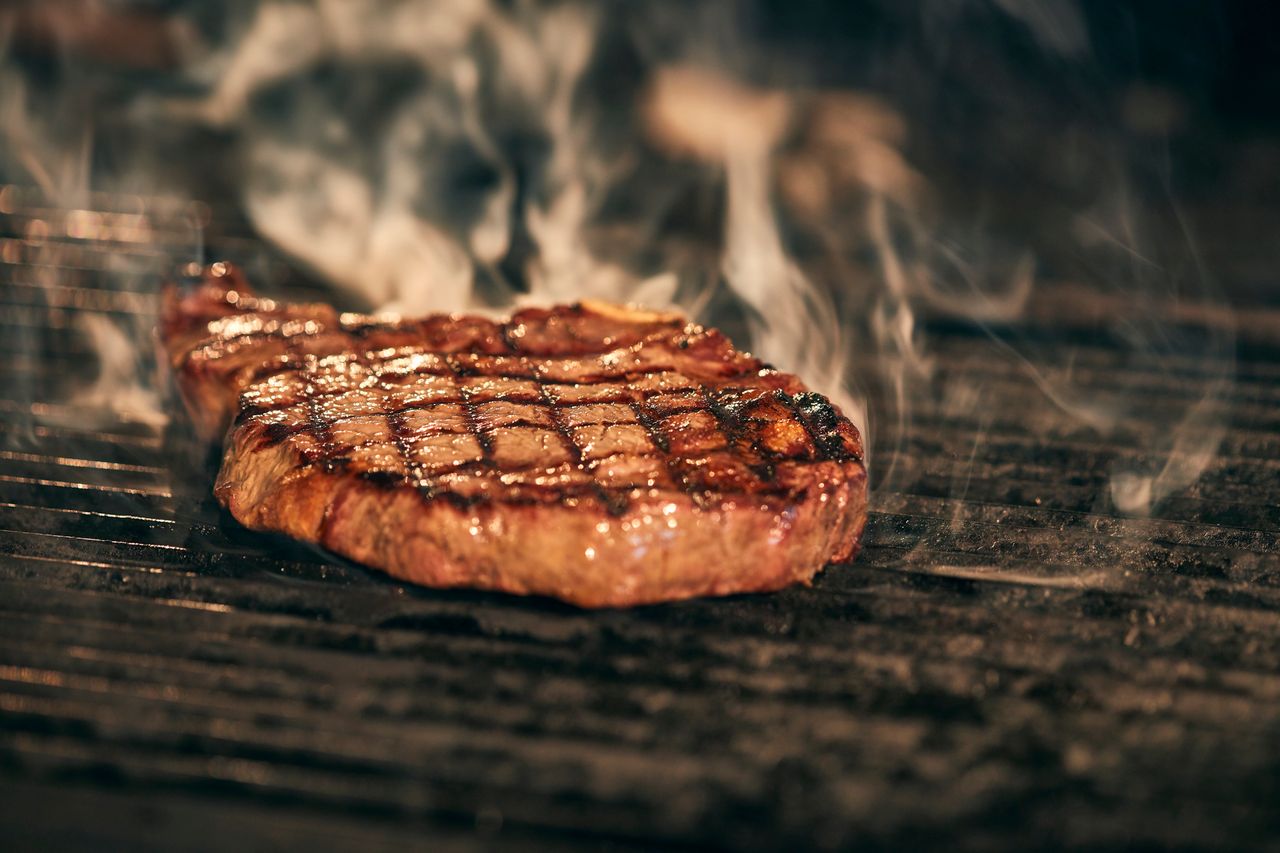
A soufflé is still beautiful when you understand the behaviour of egg proteins. Bread is still miraculous when you understand fermentation. A sauce is still sensual when you understand emulsification. A steak is still emotional when you understand the Maillard reaction. A broth is still comforting when you understand extraction.
Knowledge does not remove wonder. Knowledge deepens wonder.
2. Instinct and Knowledge
The chef is not choosing between instinct and intelligence. The chef must possess both.
Instinct tells you when something is nearly right. Knowledge tells you why.
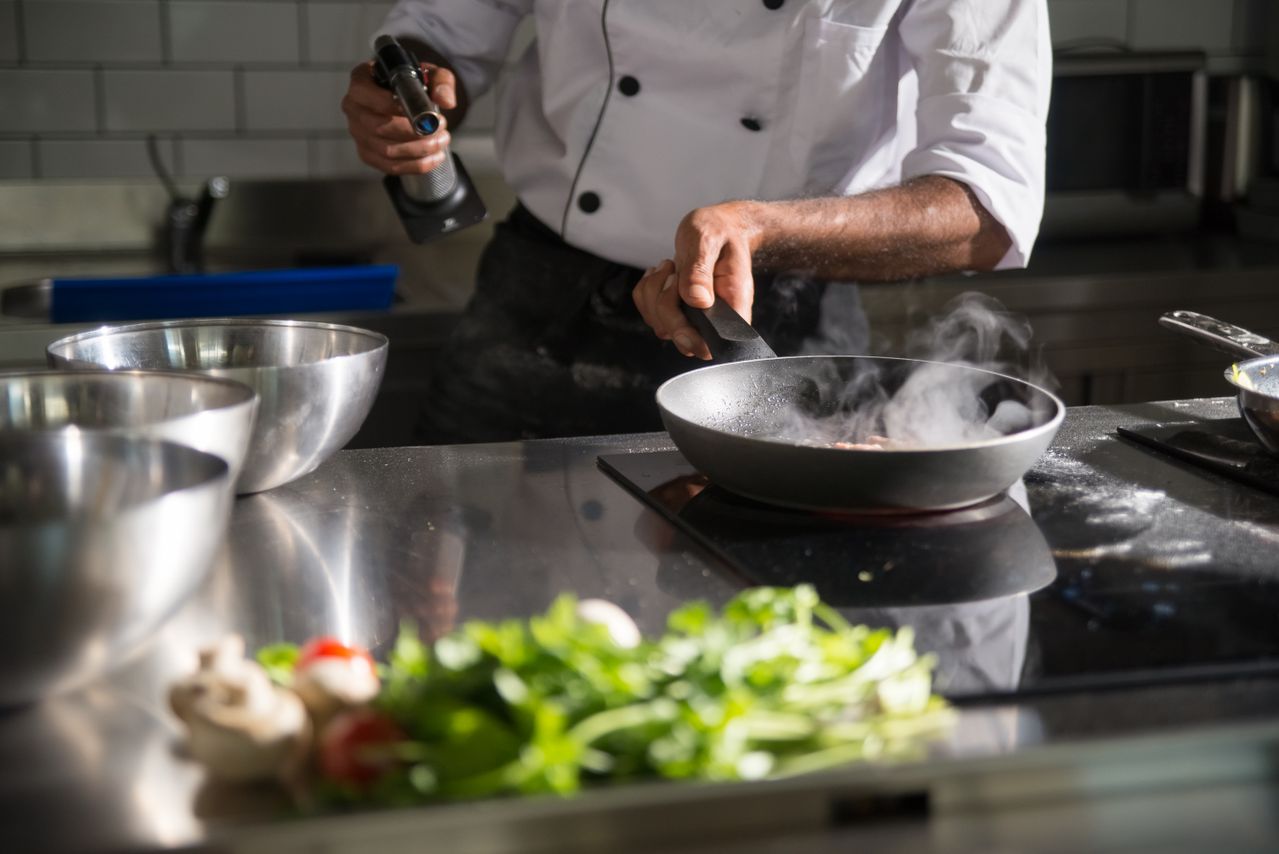
Instinct hears the sound of a pan and knows the heat is ready. Knowledge understands what that heat is doing.
Instinct smells caramel before it burns. Knowledge understands the narrow line between sweetness and bitterness.
Instinct feels when a dough is alive. Knowledge understands what time, temperature, hydration and gluten have made possible.
A great chef is not someone who simply follows recipes. A great chef understands consequences.
3. The British Kitchen
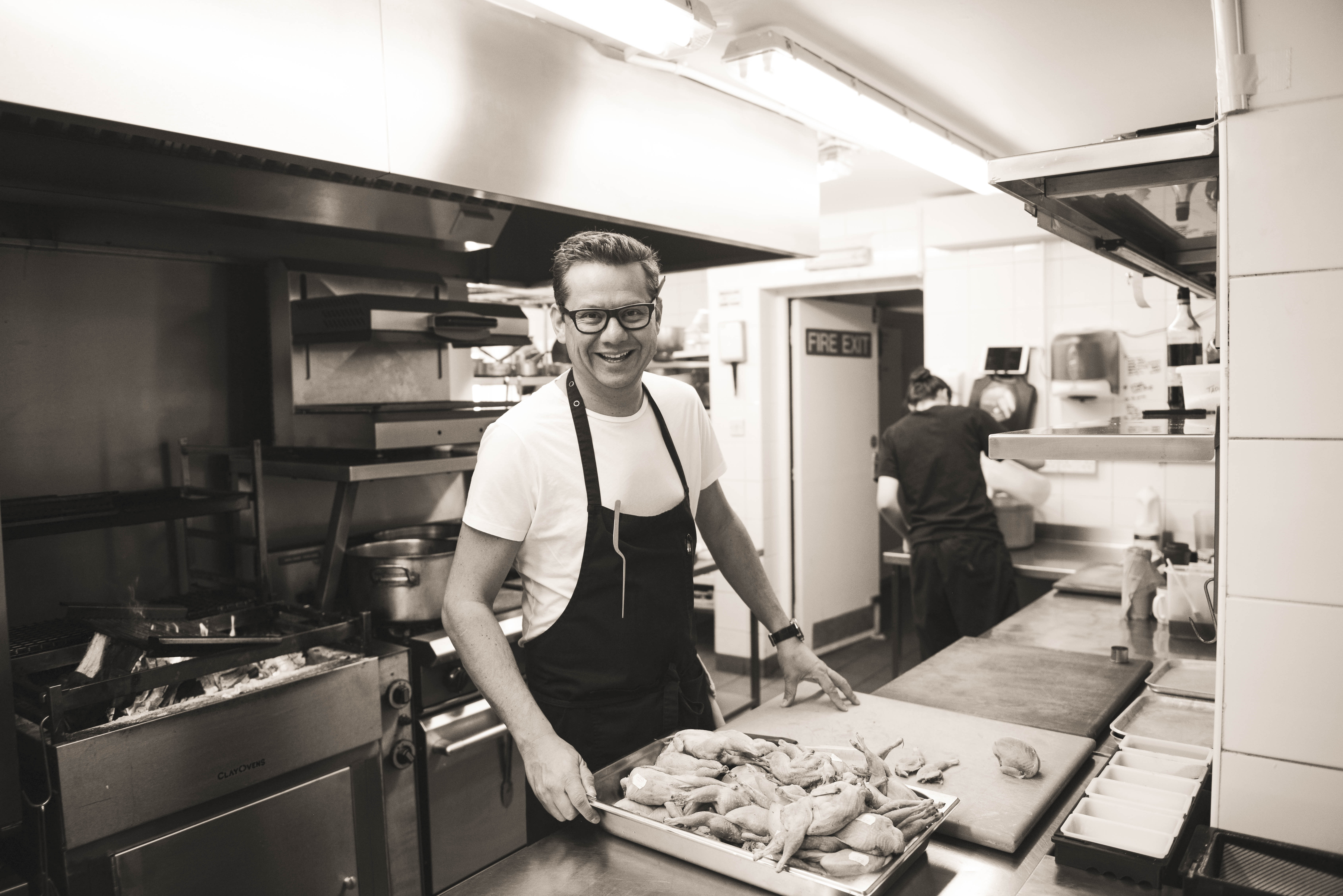
British kitchens, at their best, are not sentimental places. They are places of discipline. They teach punctuality, precision, resilience, repetition, humility and endurance. They teach you that talent is nothing without consistency. They teach you that beauty is not improvised at the last second. They teach you that excellence is built before anyone applauds.
I was shaped by that world. By the seriousness of the British kitchen. By the pressure of service. By the chefs who demanded more. By the mentors who corrected without apology. By the rooms where standards were not discussed as ambitions, but enforced as obligations.
And, of course, by the great British and British-based chefs whose work became part of the education of so many of us: Albert and Michel Roux, Marco Pierre White, Gordon Ramsay, Raymond Blanc, Heston Blumenthal, Marcus Wareing, Philip Howard, Tom Aikens, Fergus Henderson, Gary Rhodes, Angela Hartnett, and others who changed the way a generation understood cooking.
The Roux brothers taught Britain refinement, technique and the seriousness of classical discipline. Marco Pierre White taught intensity, rebellion and the dangerous beauty of perfection. Gordon Ramsay taught pressure, standards and the brutality of consistency. Raymond Blanc and Eric Chavot taught generosity, seasonality and the elegance of respect. Heston Blumenthal taught that curiosity itself could become a form of cuisine.
Marcus Wareing taught the importance of precision, control and quiet authority. Philip Howard taught elegance, balance and the intelligence of restraint. Tom Aikens taught intensity, technical courage and the pursuit of exactness. Fergus Henderson reminded the world that humility, honesty and respect for the whole animal can become a philosophy. Gary Rhodes gave British cooking confidence, polish and renewed pride. Angela Hartnett showed how discipline, warmth and refinement can live beautifully together.
And then there is the contemporary generation — chefs such as Clare Smyth, Jason Atherton, Sat Bains, Simon Rogan, John Williams, Mark Birchall, Adam Byatt, Andrew Wong and Matt Abé — who continue to prove that British cooking is not frozen in its past, but alive, evolving and deeply ambitious.
Clare Smyth represents elegance, precision and quiet strength at the highest level. Her cooking shows that refinement does not need to shout. It can be calm, intelligent, exact and deeply personal. Jason Atherton brings a modern, international energy and the confidence of a chef who understands restaurants as both craft and business. Sat Bains reminds us that originality must be disciplined, not chaotic. Simon Rogan has shown how the British landscape itself — its farms, gardens, seasons and wildness — can become a language of extraordinary sophistication. Andrew Wong has expanded the conversation by showing how memory, culture and scholarship can transform the understanding of Chinese cuisine in Britain. Matt Abé represents continuity, pressure and the extraordinary discipline required to uphold excellence at the very highest level.
Together, they remind us that British cooking today is not simply about tradition. It is about identity, curiosity, produce, intelligence and courage.
4. Cooking Is Thought Made Visible
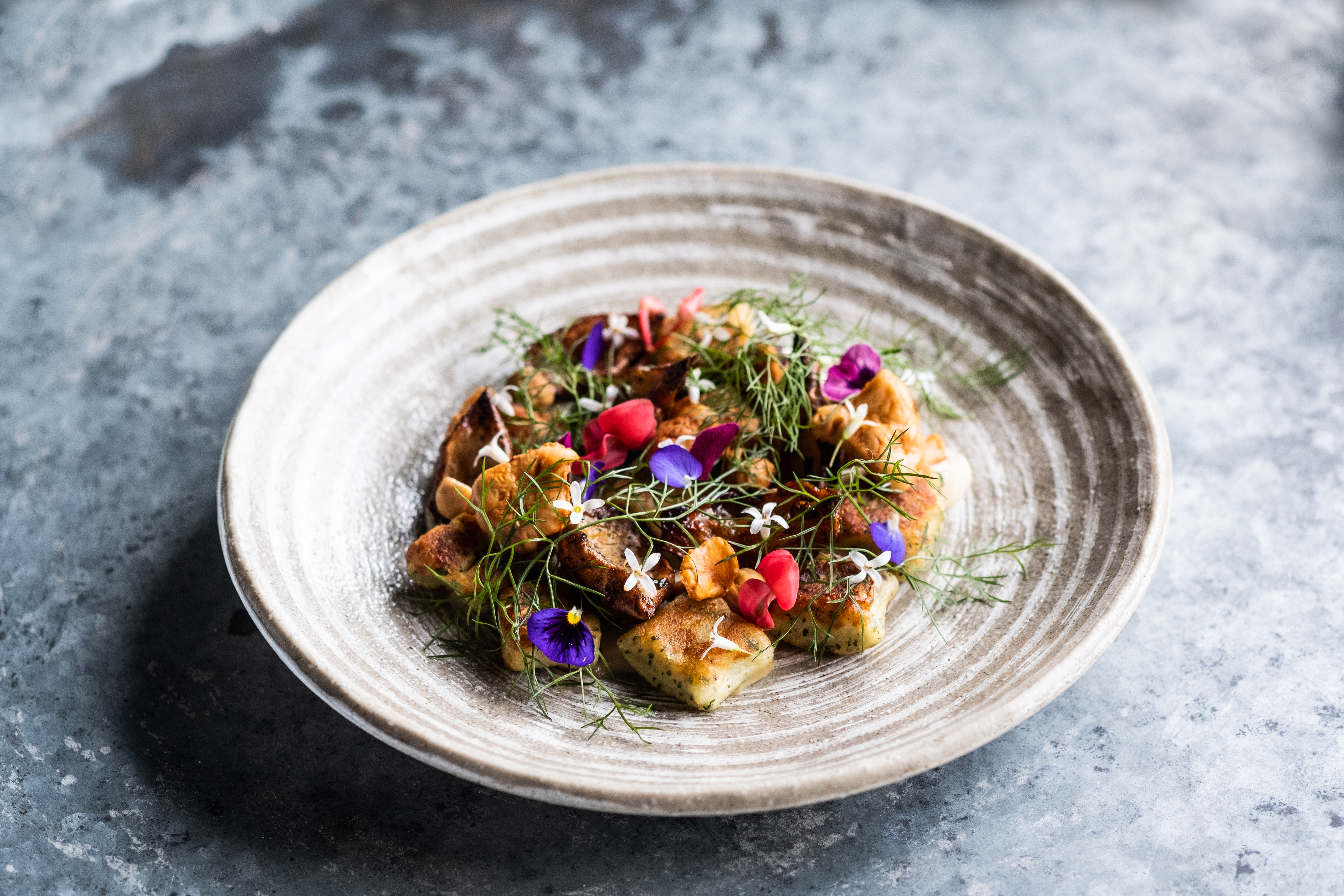
A plate reveals the mind of the chef. It shows whether he has understood the ingredient or merely used it. It shows whether he has respected the season or forced it. It shows whether he has cooked from ego or from attention. It shows whether he has learnt from those before him or imagined himself above them.
The plate always tells the truth. This is why discipline matters. Without discipline, creativity becomes noise. Without knowledge, instinct becomes guesswork. Without humility, ambition becomes arrogance. Without repetition, talent remains unreliable.
The guest may see only the finished dish — a piece of fish, a sauce, a garnish, a flame, a flower, a line of oil, a curl of smoke. But behind that moment there are years of invisible education. Burnt sauces. Failed breads. Split emulsions. Overcooked fish. Harsh words. Long nights. Silent corrections. Teachers who did not lower the standard.
And then, slowly, something changes. The hand becomes calmer. The eye becomes sharper. The palate becomes more honest. The mind becomes more disciplined.
The chef begins to understand that cooking is not about controlling everything. It is about understanding enough to respond properly when things change. Fire changes. Fish changes. Vegetables change. Humidity changes. A restaurant changes every night. The chef must think, but he must also listen.
Perhaps this is where science and instinct finally meet. Science teaches us what is happening. Instinct teaches us when to intervene. Experience teaches us when to leave something alone.
5. Mexico Teaches Depth
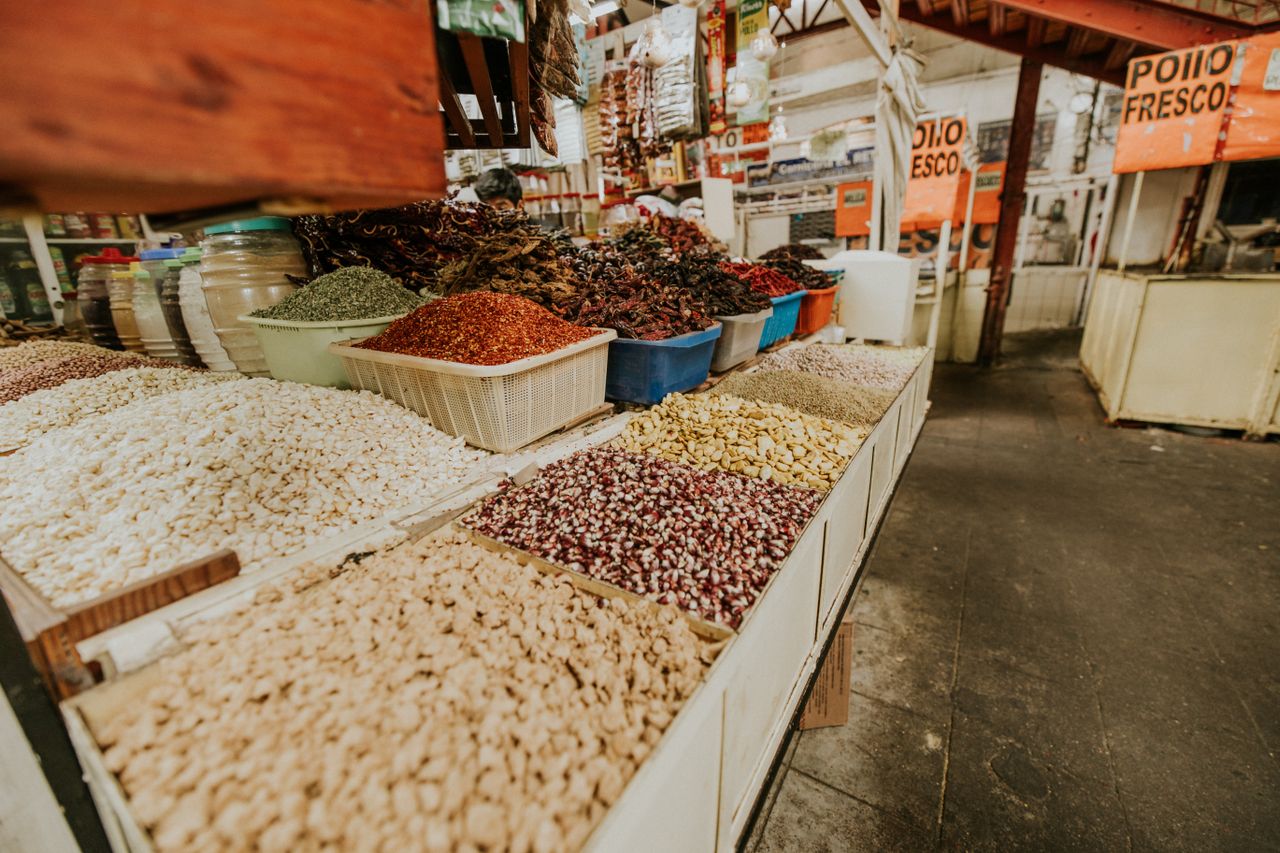
In Mexico, this lesson becomes even more profound. Here, ingredients carry immense history. Maize is not merely starch. Cacao is not merely bitterness. Chile is not merely heat. Vanilla is not merely perfume. Smoke is not merely flavour. Nixtamal is not merely technique. Mole is not merely sauce.
Everything has memory. And memory demands intelligence. To cook in Mexico with seriousness is to understand that the ingredient must not be treated as raw material only. It is culture. It is geography. It is labour. It is inheritance.
The British kitchen taught me discipline. Mexico teaches me depth. Science teaches me why. Memory teaches me meaning. And hospitality teaches me who it is all for.
At Stovell's Mexico City, this is the kind of cooking I want to build. Not cooking that is clever for the sake of being clever. Not cooking that performs intelligence without emotion. But cooking where thought, fire, produce, culture and feeling are all present.
A restaurant should never be an exhibition of the chef's ego. It should be an expression of his understanding — of ingredients, of people, of place, of timing, of restraint, of generosity.
The best cooking often feels simple at the table, precisely because it was deeply considered before arriving there. The chef thinks so the guest can feel. The chef studies so the guest can trust. The chef disciplines himself so the experience can seem effortless.
Cooking never stops teaching us. Every service reveals something. Every ingredient asks another question. Every mistake humiliates us just enough to make us better. A chef who stops learning becomes dangerous. A chef who stops questioning becomes decorative. A chef who stops thinking becomes merely a performer.
Not to show how much the chef knows.
But to make the guest feel something true.
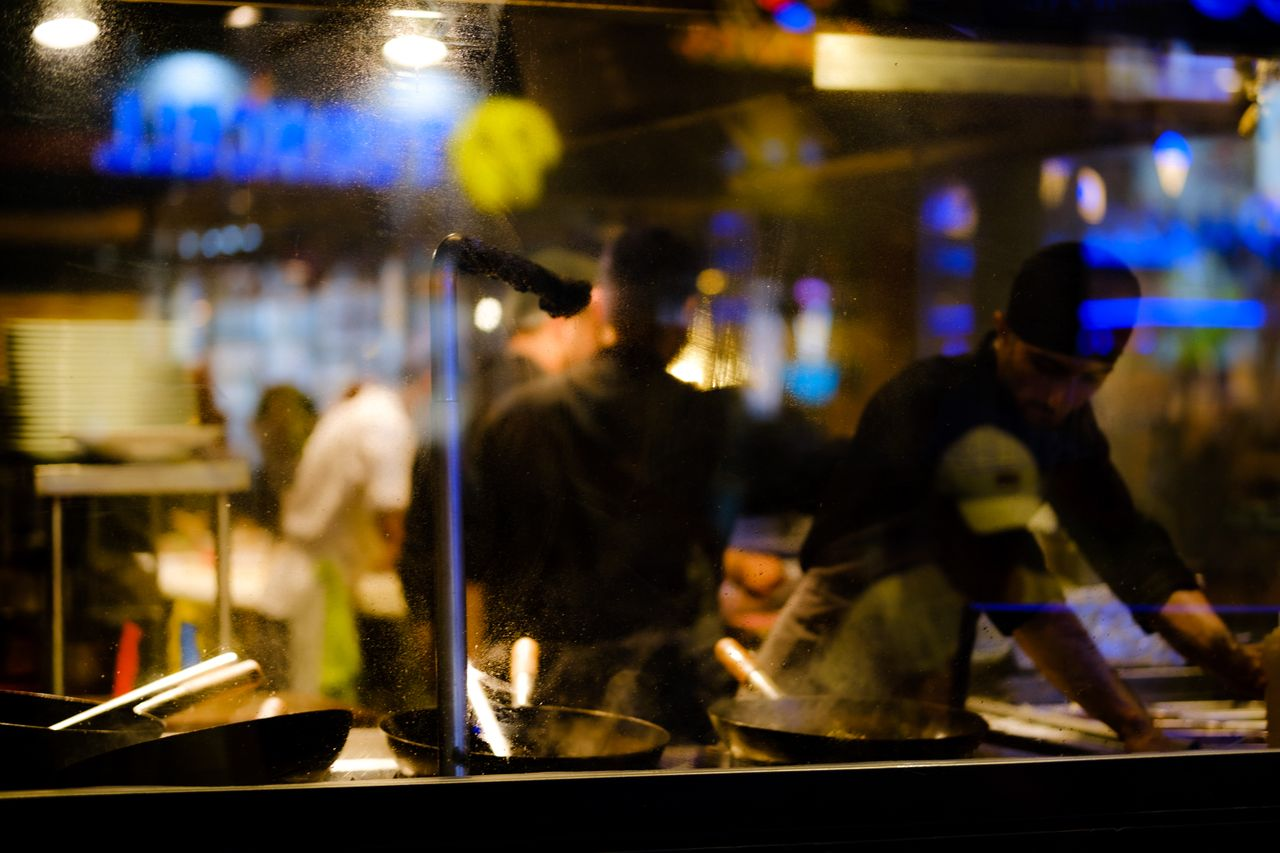
In the hands of the careless, heat burns. In the hands of the thoughtful, heat reveals. That, in the end, is the chef's real task.