September Tastes Like Mexico
september, 2026By Chef Fernando Stovell
September in Mexico begins with a pomegranate. You cut it open and hundreds of crimson seeds scatter across the chopping board. Your fingers are stained, the kitchen towel is ruined and several seeds have disappeared beneath the fridge. The season has arrived.
Markets fill with dark-green poblano chillies, fresh walnuts, orchard fruits and mushrooms brought in after the rains. Flags appear on balconies. Music grows louder. Families prepare to gather, and everyone suddenly develops a very firm opinion about how chiles en nogada should be made.
Mexico does not enter September quietly.
It arrives with colour, memory and appetite.
This is the month in which Mexico celebrates its Independence. But here, history is not remembered only through bells, speeches and fireworks. It is also cooked. Mexico places its identity on the table.
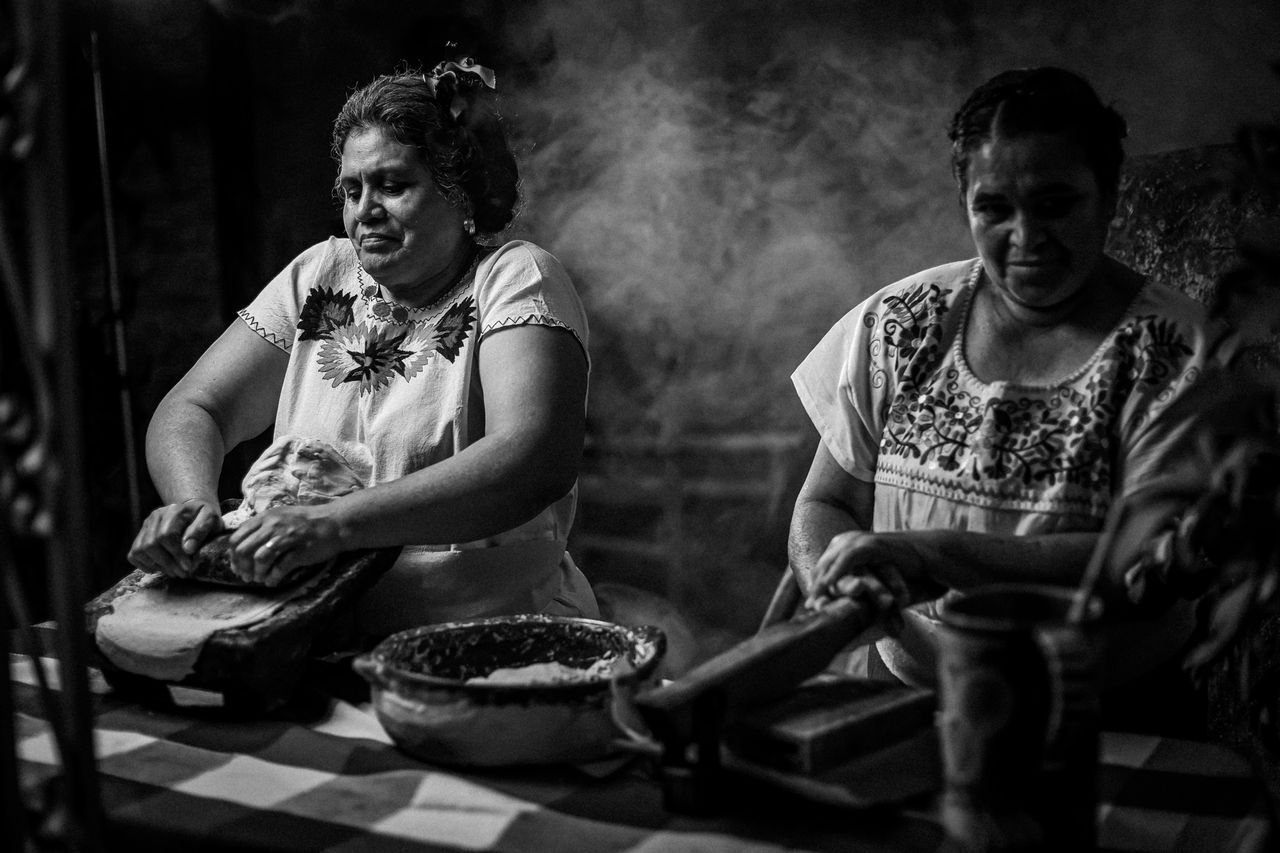
A tortilla lifted from the comal may appear simple, but behind it lie maize, fire, lime, water, time and generations of knowledge. Mole is not simply a sauce; it is patience made visible. A chile is never only heat. It may be smoky, sweet, fruity, bitter or fierce enough to make a confident adult question every decision that led him to the table.
Food tells us what a country grows, what its people protect and what families refuse to forget.
1. A dish that makes us wait
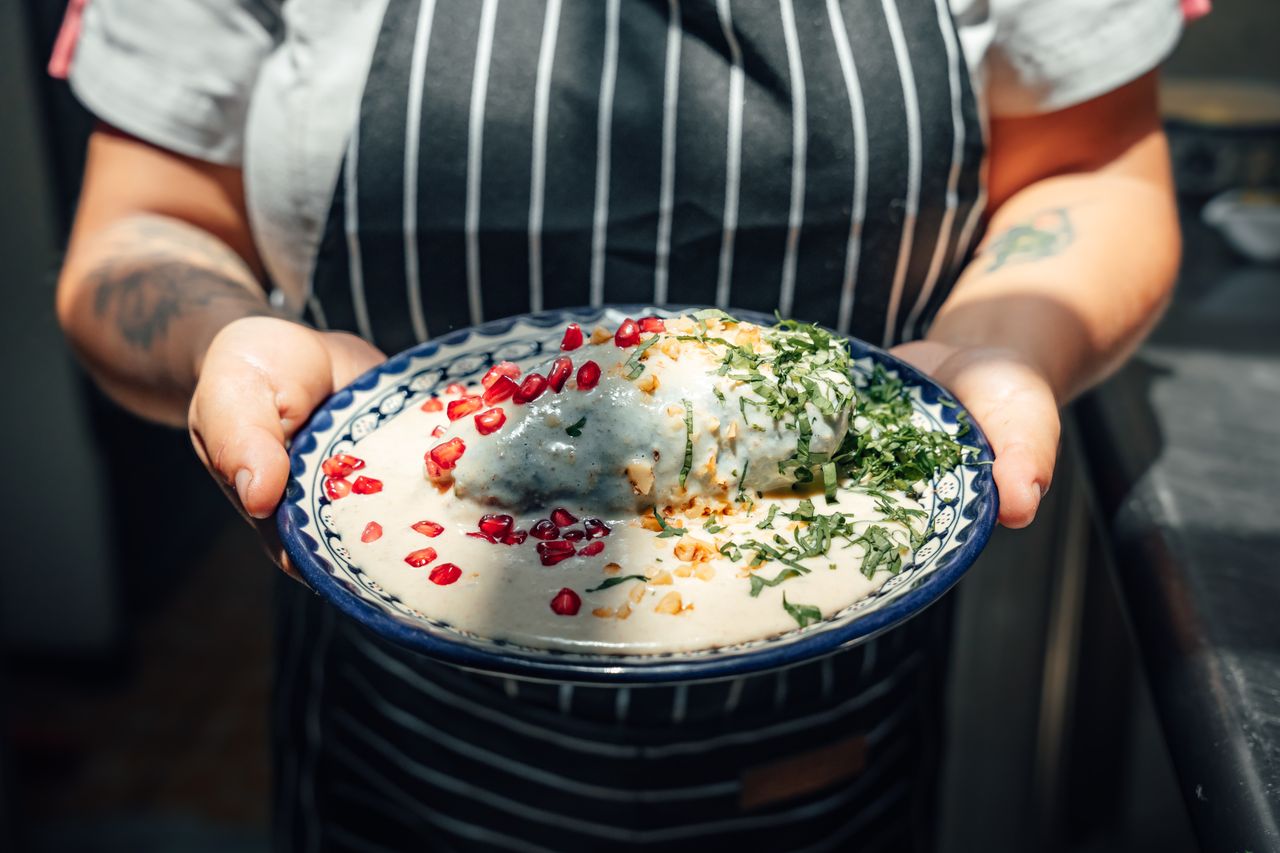
Few dishes represent September as beautifully as chiles en nogada.
The green poblano, pale walnut sauce and red pomegranate echo the colours of the Mexican flag. Yet the real beauty of the dish is not merely patriotic.
It is seasonal.
Fresh walnuts, poblano chillies, fruits and pomegranates meet for only a short period. Then the moment passes. That is what gives the dish its emotion.
Modern kitchens have become very good at defeating the seasons. Ingredients can be flown across continents, frozen or preserved until almost everything appears permanently available.
But availability is not the same as truth.
Some dishes should make us wait.
Waiting creates anticipation. Anticipation makes us pay attention. And attention changes the way something tastes.
The first chile en nogada of the year is more than lunch. It is a marker in time.
2. The table gets louder
September also reminds us that food does not belong only to restaurants.
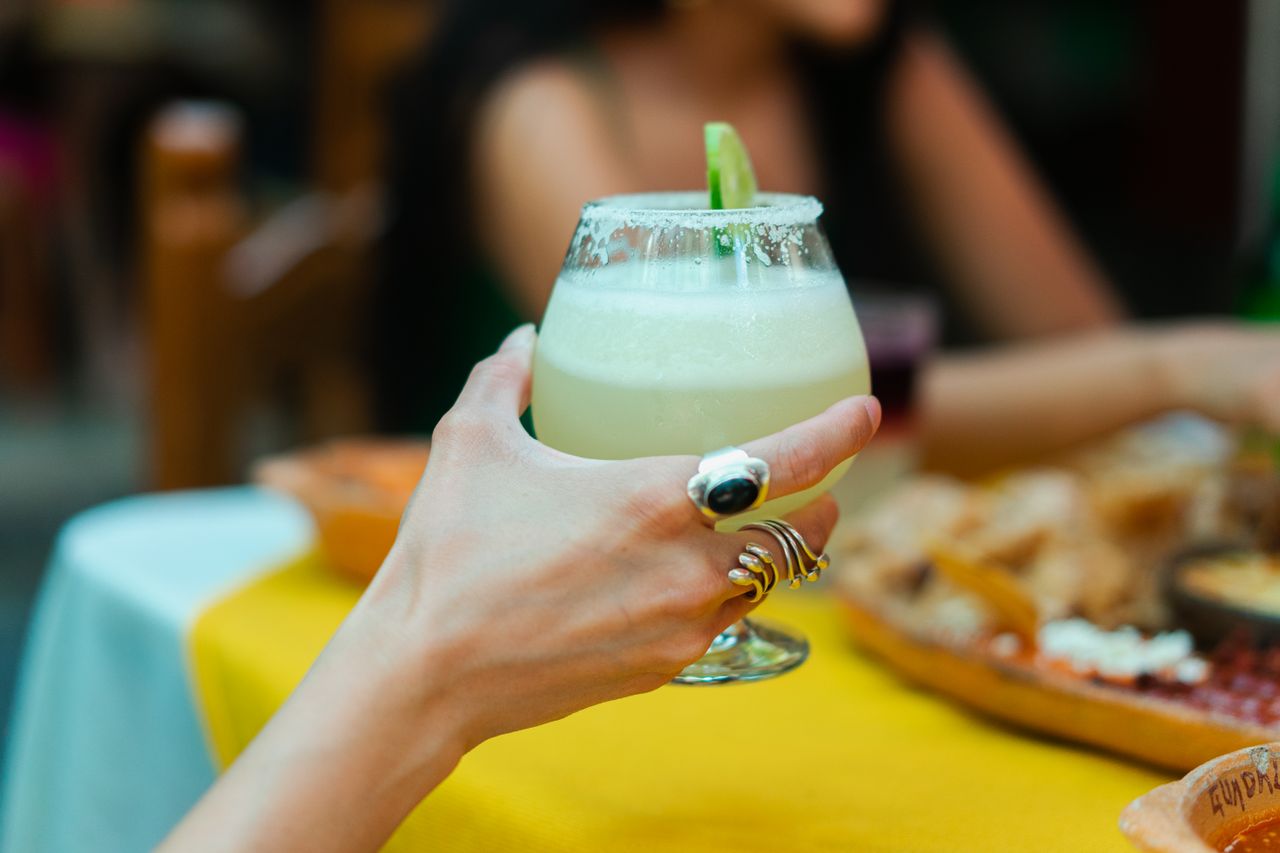
It belongs to family tables that are slightly too small, surrounded by chairs that do not match. It belongs to kitchens where recipes are measured in handfuls and instructions such as, "You will know when it is ready."
A bottle is opened. A toast becomes a speech. One song becomes several. Someone insists that everyone must eat more, despite overwhelming evidence that nobody can. A familiar story is told again — with new details that were definitely not present last year.
This is not disorder.
It is belonging.
Hospitality has always mattered deeply to me because feeding someone means more than placing food before them.
A table says: there is a place for you here.
3. Cooking between two cultures
I was trained professionally in Britain. That gave me discipline, precision and respect for consistency.
Mexico taught me something different.
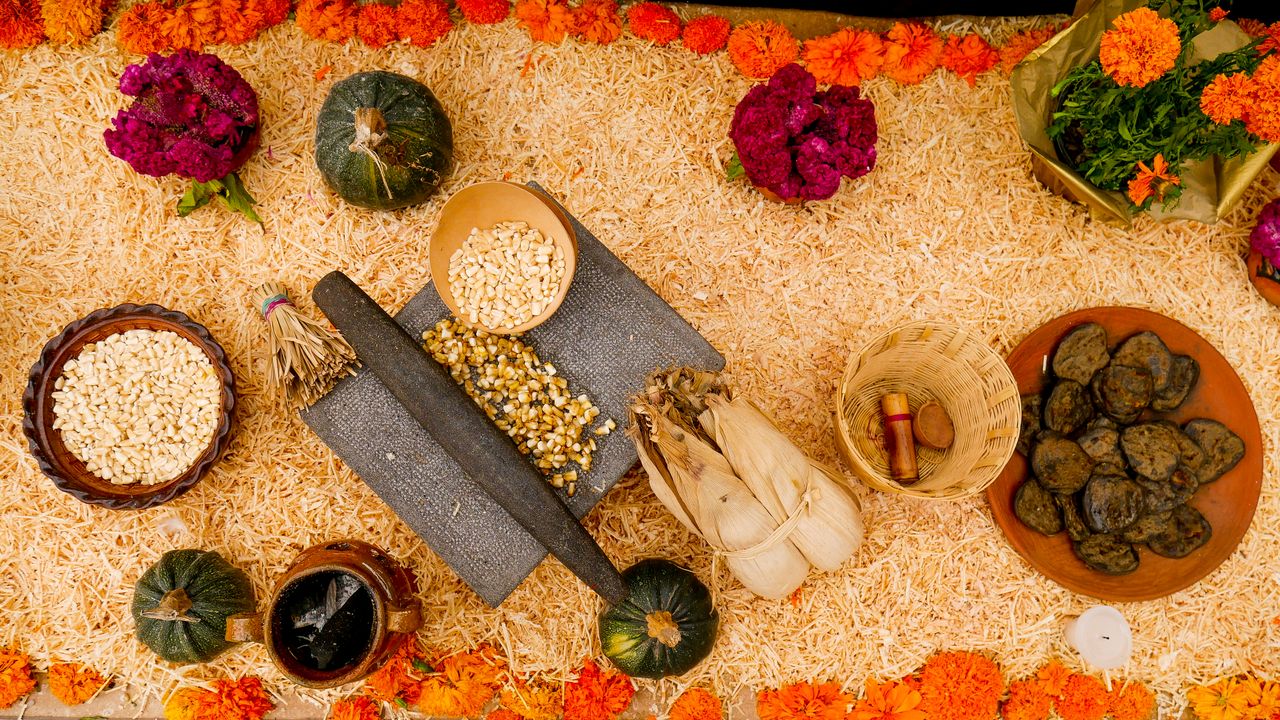
It taught me to listen more carefully to ingredients, to understand generosity in another way and to accept that flavour need not always be polite.
Living between two cultures inevitably shapes my cooking. But I have never been interested in "fusion" for its own sake. Placing a British technique beside a Mexican ingredient does not automatically create an idea.
The meeting must have a reason.
Before asking an ingredient to speak another culinary language, the chef must first understand its own.
Mexico does not need foreign technique to make its cuisine important. Its intelligence, refinement and complexity already exist. Technique should reveal an ingredient, not dominate it.
The ingredient should remain visible.
The chef's ego need not be.
4. Independence in the kitchen
Culinary independence does not mean rejecting outside influence.
No cuisine developed in isolation. Ingredients, techniques and ideas have always travelled with migration, trade, curiosity and necessity. Independence means knowing who you are while remaining open to the world.
A confident cuisine can welcome influence without losing its voice. It can evolve without forgetting where it began. For a chef, this means knowing when to transform something and when to leave it alone.
Sometimes creativity means adding.
Sometimes it means removing.
And sometimes the bravest decision is to allow a perfect ingredient to taste unmistakably of itself.
As September passes, the walnuts dry, the pomegranates disappear and the maize is harvested. Nothing remains at its peak forever. Perhaps that is why seasonal cooking moves us. We recognise ourselves in it. We also arrive, mature, change and pass through moments that cannot be recreated exactly.
September asks us to notice while the moment is still ours.
To gather.
To cook.
To remember those who taught us.
To welcome those who have arrived.
The Mexico I wish to honour is not a slogan or three colours arranged decoratively on a plate. It is a living culinary culture: ancient, generous, demanding and entirely confident in its identity.
Independence does not mean closing the door.
It means opening it without forgetting who you are.
And perhaps that is why, every September, Mexico does more than raise a flag. It lights the fire.
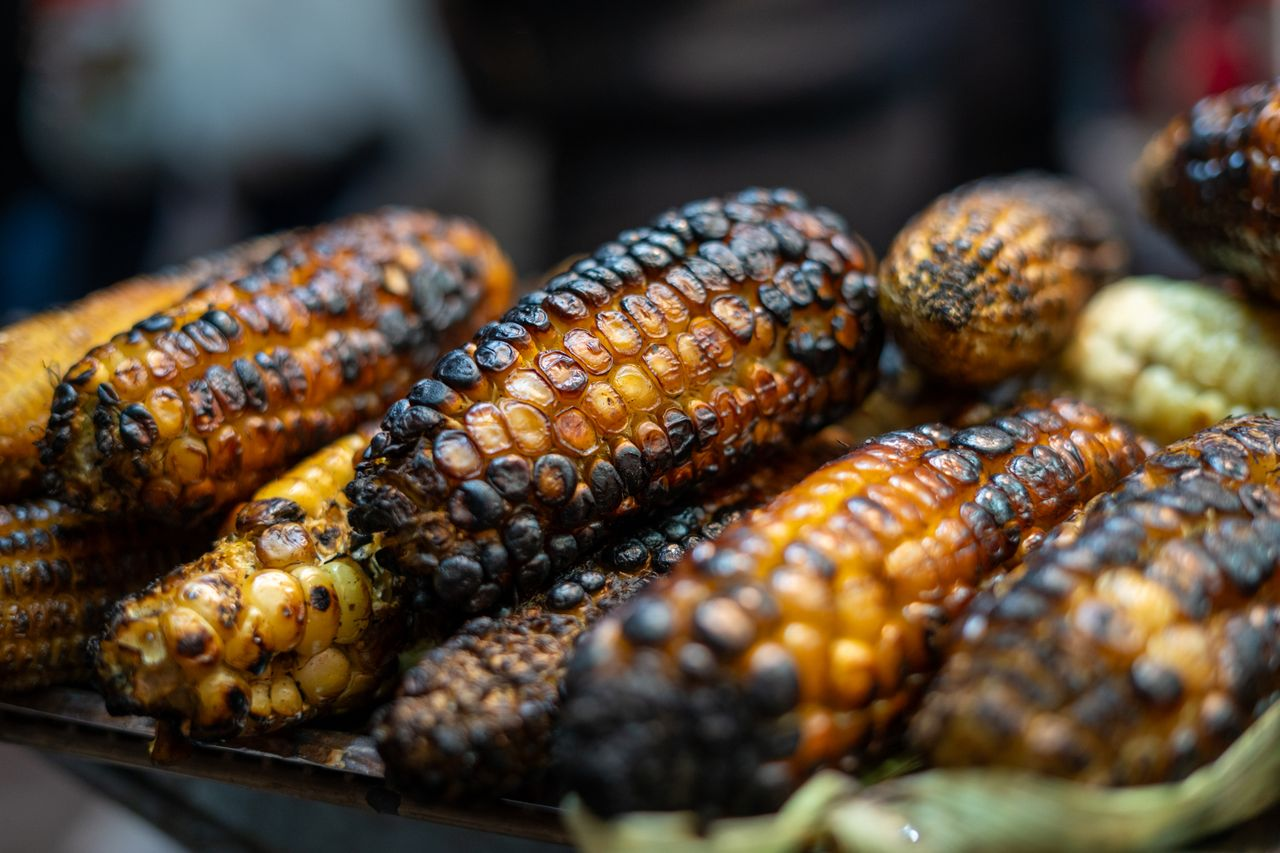
And it sets the table.