The Table Remembers
october, 2026By Chef Fernando Stovell
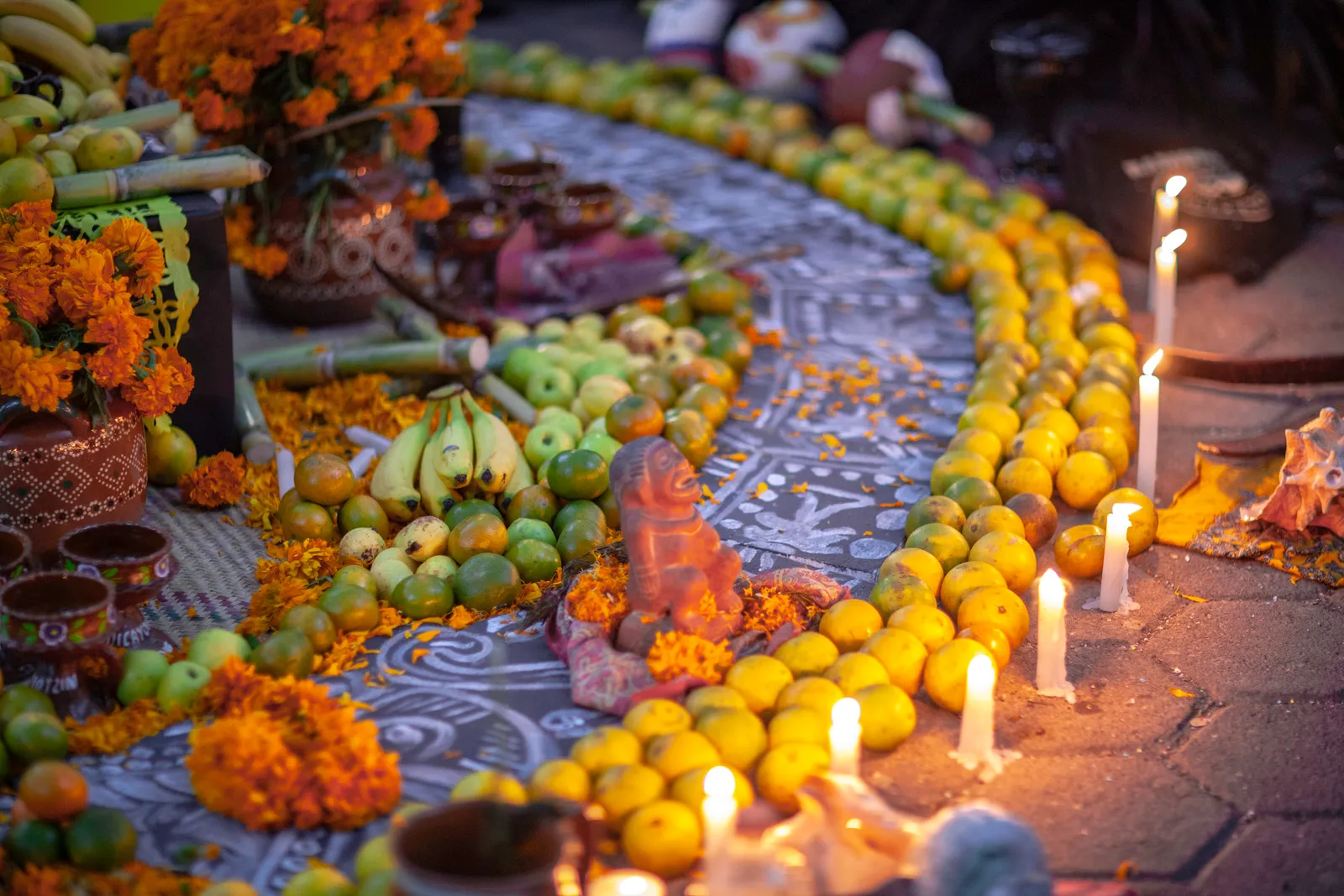
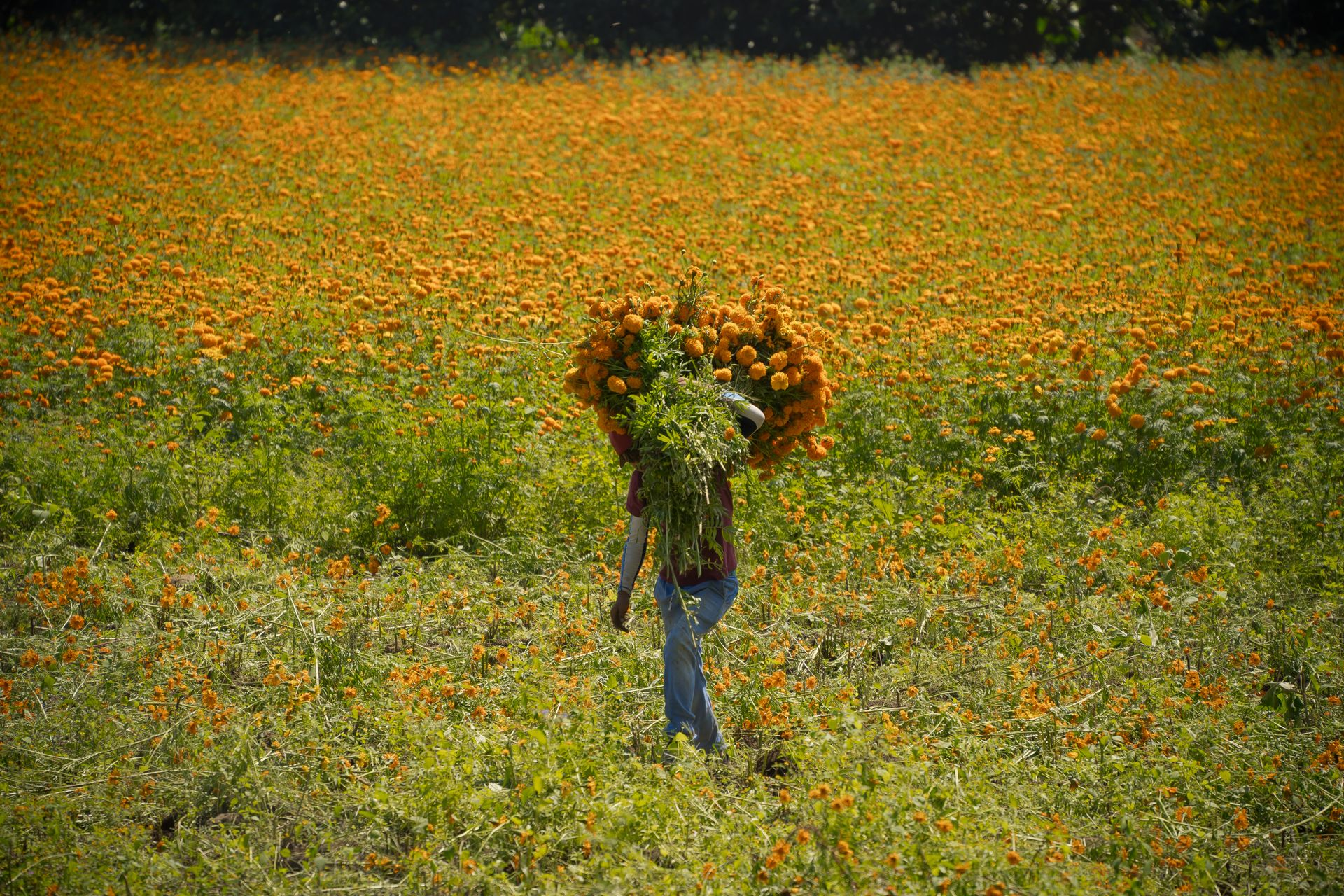
October in Mexico begins with marigolds. As the month deepens, cempasúchil appears in markets and doorways. Candles are placed beside photographs. Copal rises into the air. Pan de muerto, fruit, chocolate, mole and the favourite dishes of those who have gone are arranged with care.
The table is prepared for someone who cannot take a seat.
Día de Muertos is not a refusal to accept death, nor should it be reduced to a picturesque display. At its heart is an extraordinary act of hospitality: the living make room for the dead and welcome them home through fragrance, flavour, light and memory.
Mexico understands something that every cook eventually learns.
Taste can carry memory farther than language.
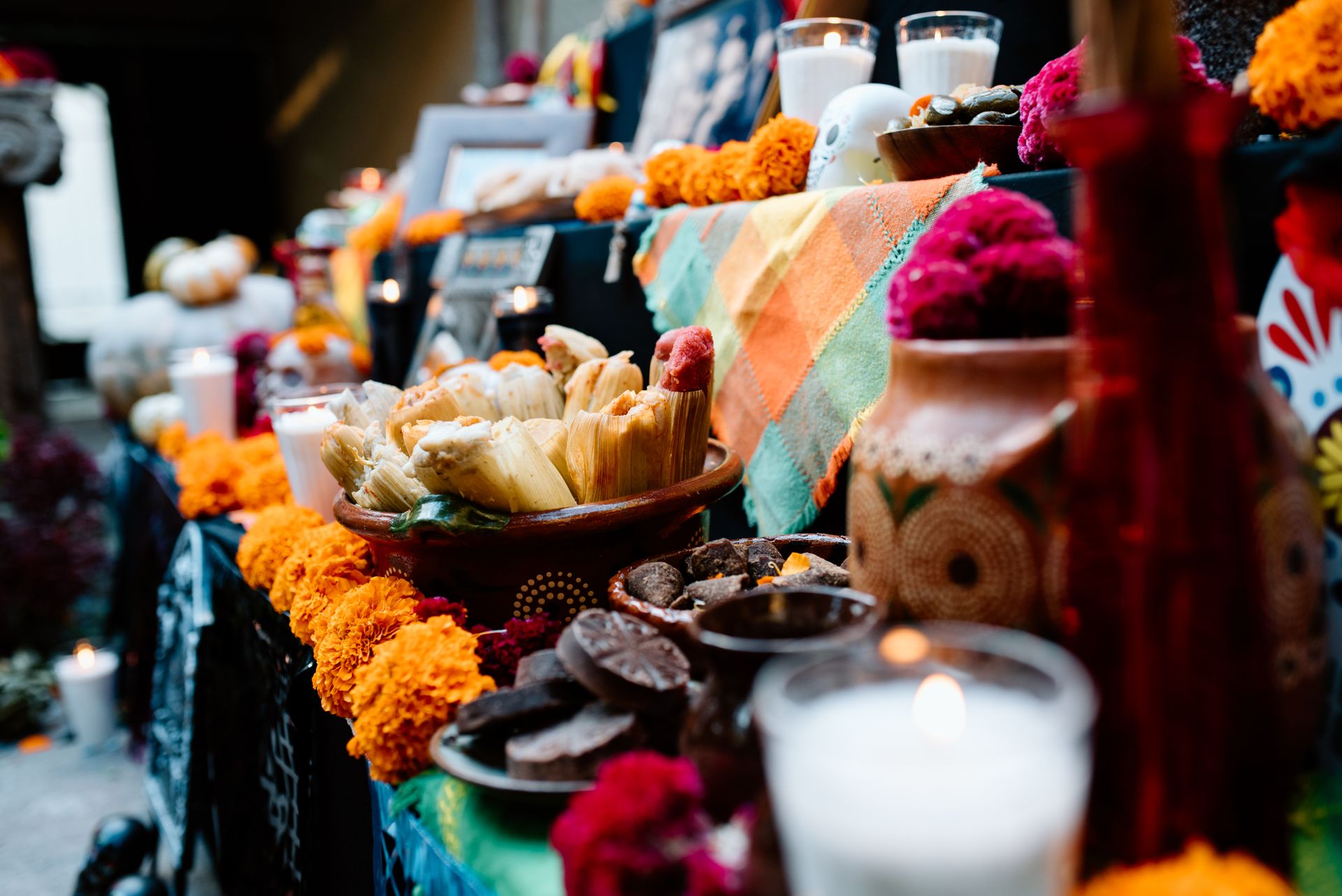
1. A table for those who are absent
The offerings placed on an altar are personal. They are not simply food for the sake of food. A particular bread, a cup prepared in a familiar way or a dish made with the correct chile says: we remember what pleased you. We remember how you lived.
Kitchens preserve people in much the same way. A chef may leave, yet a movement of the hand remains. A sauce is corrected according to an old instruction. A cook hears a former mentor saying, "Again," "Taste it," or, most importantly, "That is not good enough."
A written recipe can record quantities and temperatures. It cannot fully record judgement, urgency, generosity or the sound a preparation should make when it is ready.
Those things pass from person to person.
Every serious kitchen is therefore inhabited by its predecessors—not as ghosts to fear, but as standards we are obliged to remember.
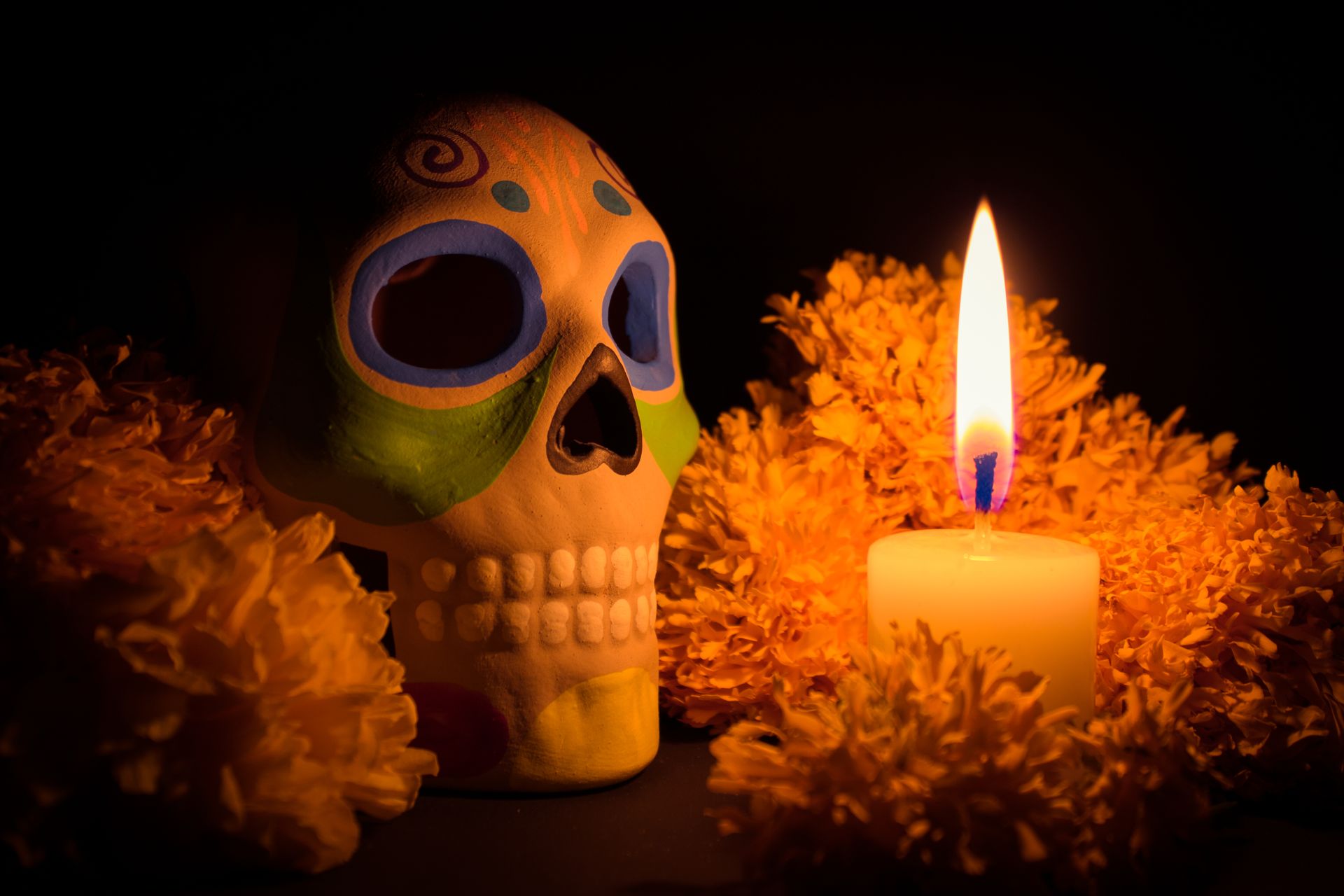
2. Not every ancestor shares our blood
Some culinary ancestors are relatives. Others are teachers, employers, authors or chefs we never met, but whose ideas reached us through their dishes and through the people they trained.
This does not mean building an altar to fame. Celebrity is temporary. Influence is revealed by what remains useful after the applause has stopped.
The chefs worth honouring changed more than plates.
They protected ingredients, raised standards, opened doors and taught the next generation how to think.
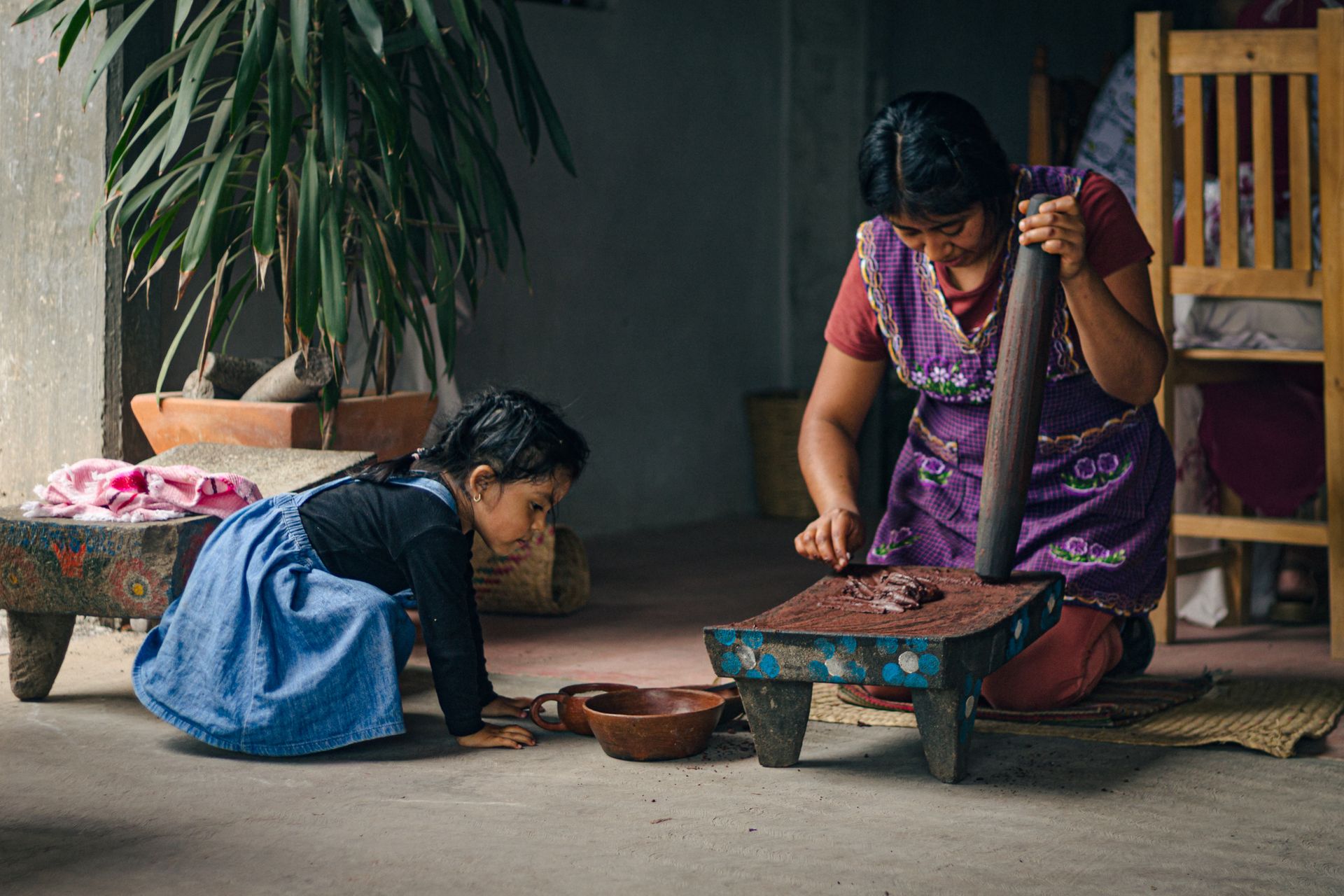
3. Guardians of Mexico's culinary memory
Patricia Quintana deserves a place of honour. She travelled through Mexico, studied its regional and Indigenous cuisines and presented tradition with refinement without asking it to disguise its origins. Her work showed that sophistication can reveal a culinary culture rather than replace it.
Alicia Gironella understood Mexican cuisine as a living archive. Through restaurants, education, research and cultural advocacy, she defended the relationship between food, territory and community. She reminded us that a cuisine cannot build a future if it is embarrassed by its roots.
Yuri de Gortari taught history through the kitchen. He explained not only how a dish was prepared, but why it existed, where its ingredients came from and what centuries of exchange had placed inside it.
He invited Mexico to know itself by cooking.
Their legacy belongs not only to chefs. It belongs to the traditional cooks, farmers, millers, market traders and families whose knowledge they helped protect and transmit.
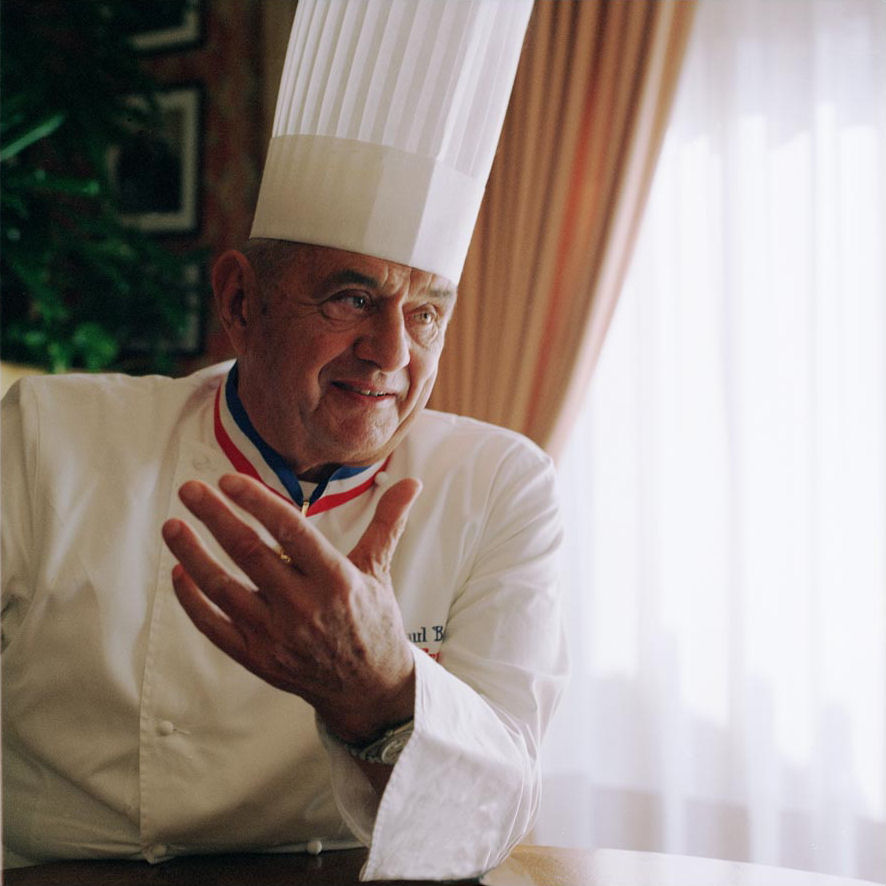
4. Masters beyond borders
My professional formation in Britain also carries the influence of European masters. Paul Bocuse represented confidence: the ability to move cuisine forward while remaining loyal to produce, place and tradition. Joël Robuchon demonstrated that apparent simplicity can demand relentless precision. Michel Roux Sr helped transform fine dining in Britain and made mentorship part of his legacy.
Their names belong at this table not because Mexican cuisine requires foreign approval—it does not—but because a chef's lineage crosses borders. Techniques travel. Standards travel. Generosity travels.
What matters is what we do with what we inherit.
5. The names that never appeared on a menu
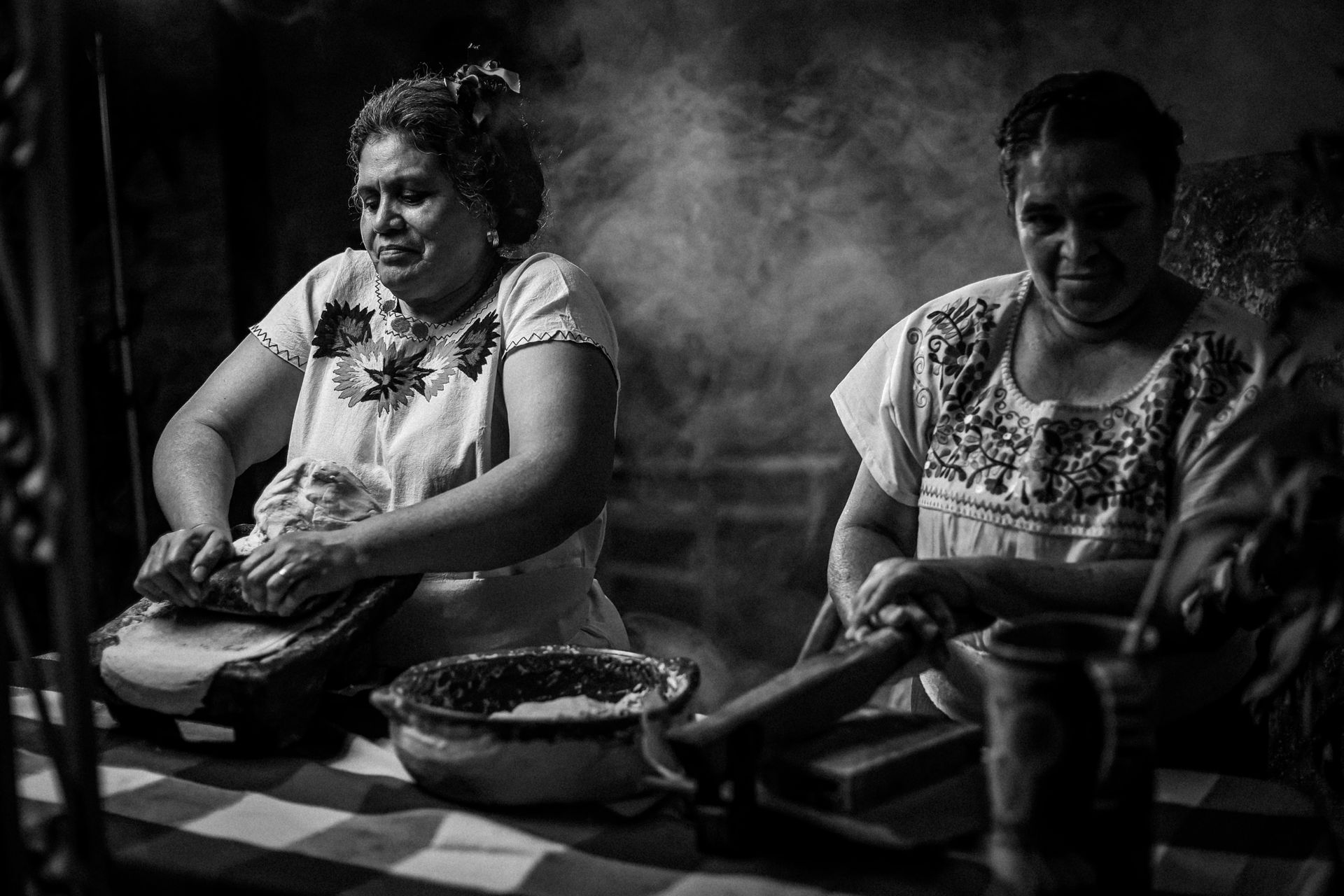
Día de Muertos should also make us remember those whose names were never printed beneath a restaurant logo: grandmothers who cooked without written recipes, cocineras tradicionales who protected communal knowledge, bakers who began before dawn, fishermen, butchers, porters, kitchen assistants and dishwashers.
Gastronomy too often celebrates the person at the pass while forgetting the many hands behind the plate. Yet cuisine survived long before chefs became public figures because someone planted, ground, stirred, carried, cleaned and taught.
A truthful culinary altar must leave room for them.
6. To honour is not to imitate
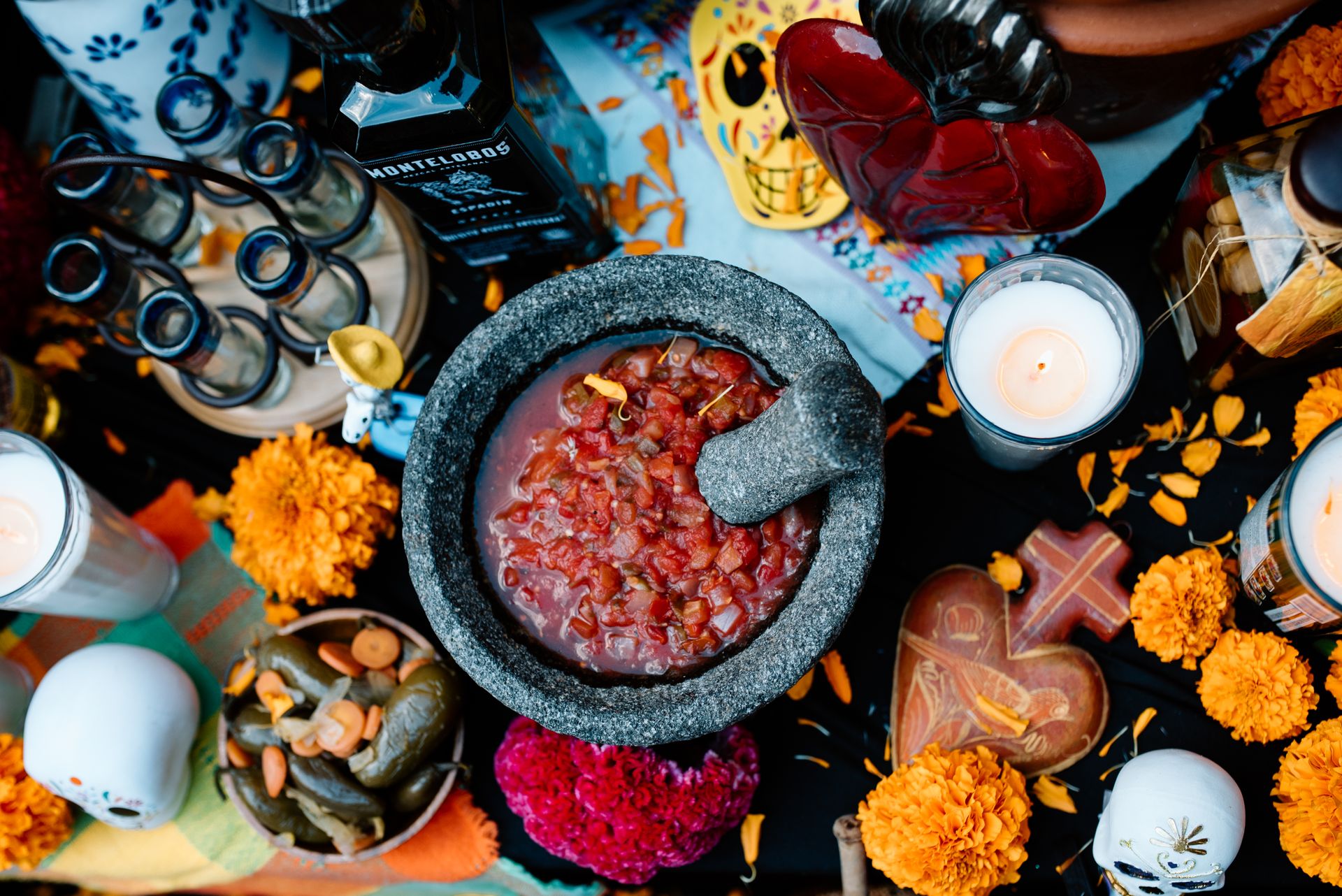
Honouring a departed chef does not mean copying a signature dish forever. That can turn respect into taxidermy.
Día de Muertos does not imprison the dead in the past. It brings memory into the present. Culinary inheritance should do the same.
We honour our predecessors by preserving the principles beneath their work: discipline, curiosity, respect for season and product, the courage to correct ourselves and the obligation to teach whoever comes next.
The lesson must remain alive enough to change.
7. The fire remembers
As I prepare to open Stovell's, I think not only about what I wish to create, but about what deserves to continue. My cooking carries Britain and Mexico, classical discipline and open fire, lessons received directly and others discovered through books, plates and the chefs shaped by earlier masters.
No chef cooks alone. Even the most personal dish contains other voices.
This October, we should speak their names: Patricia. Alicia. Yuri. Paul. Joël. Michel. And the names known only within families, villages and brigades.
Their jackets may be folded. Their knives may have passed into other hands. Someone new may now stand at the stove.
But the work continues whenever a lesson is repeated honestly.
The fire does not bring the dead back. It does something humbler, and perhaps more useful.
It keeps their lessons warm.
The table remembers. And because we cook, so do we.